 Travel Wild Tours
The ten zones
Ranthambore is divided into ten safari zones. Tigers move between all of them; each zone has its own landscape.
The Forest Department allots your zone with the permit. You can ask for one, and two or more drives in different zones give you more chances.
Find your zone
Not to scale. Tap a zone to read about it.
- Safari zones 1–10
- Ranthambore Fort
Zones 1–5 close on Wednesdays and zones 6–10 on Tuesdays. Zones 1–5 also close from 1 July to 30 September. Sightings are never guaranteed.
- 1
Singh Dwar Gate
Often referred to as the gateway to the Ranthambore tiger reserve, Zone 1 is accessed through the historic Singh Dwar. The terrain is remarkably diverse, combining open grasslands, dense woodlands, and rocky outcrops that provide ideal camouflage for big cats. The Singh Dwar, Tuti ka Nalla, and Sultanpur areas are key sighting hotspots. Historically, this zone was the undisputed territory of famous tigers like Sultan (T-72) and Noor (T-39). Because it’s heavily wooded, tracking pugmarks along the sandy trails is a thrilling experience. Beyond tigers, the zone supports a thriving population of sambar deer, nilgai, wild boars, and occasionally sloth bears venturing from the higher rocky terrains.
- 2
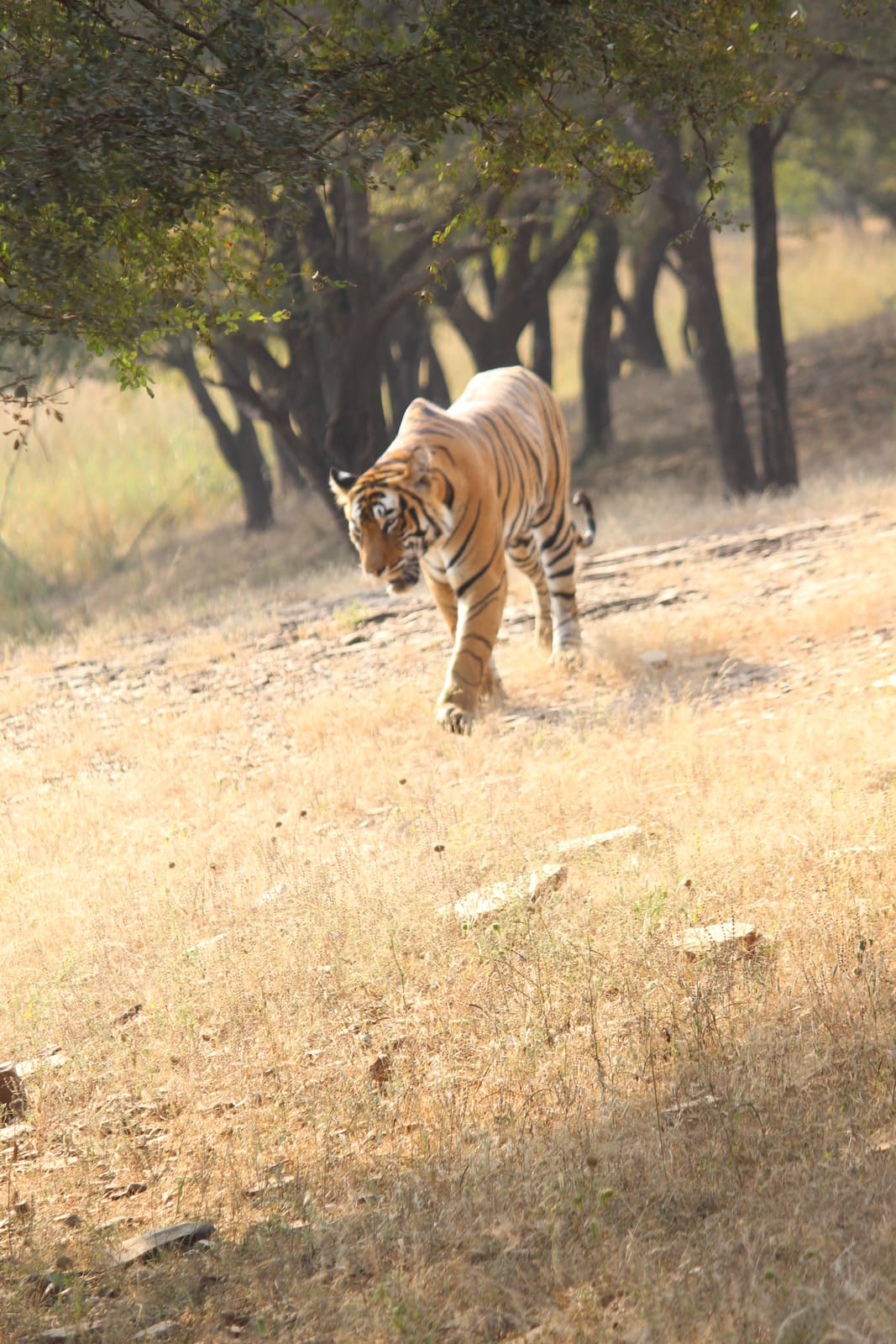
Jhalra
Zone 2 is celebrated for its lush landscapes and vital water bodies, making it a magnet for wildlife, especially during the dry summer months. It encompasses the Bada Mahal, Jogi Mahal area, and the scenic Phuta Kot. The presence of waterholes ensures high concentrations of prey animals, which inevitably draws predators into the open. Historically dominated by legendary tigers like Jhumru (T-20) and Krishna (T-19), the zone also offers excellent opportunities to spot leopards resting in the higher branches of old banyan trees. The dense foliage and rocky ravines provide an iconic, classic jungle safari experience.
- 3
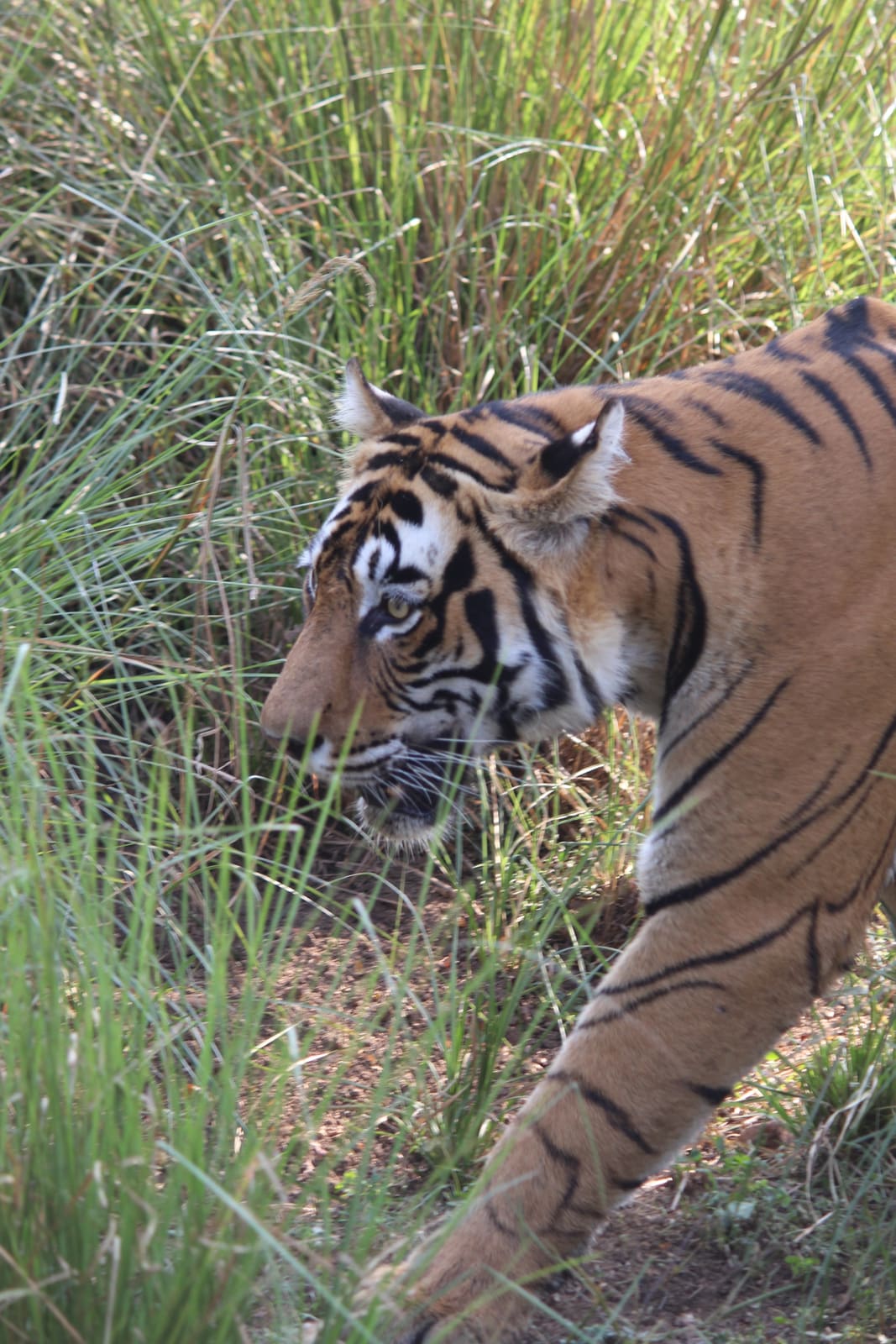
Padam Talao
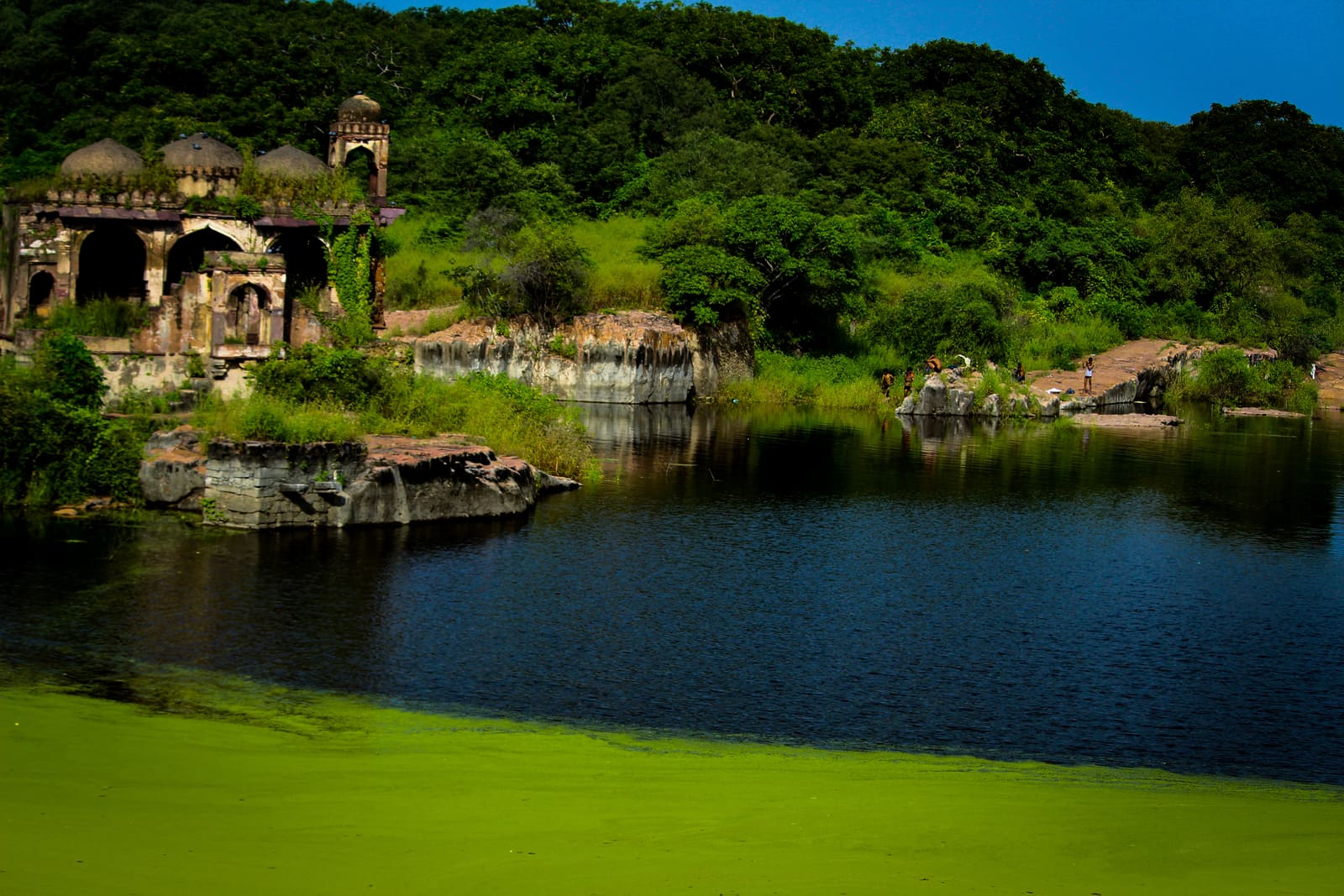
Arguably the most famous and visually stunning zone in the park, Zone 3 is home to three major lakes: Padam Talao (famous for its blooming lotuses), Rajbagh Talao, and Malik Talao. The backdrop of the majestic Ranthambore Fort looming over the water creates unparalleled wildlife photography opportunities. The lakes act as a central hub for thirsty animals in the scorching heat. This was the legendary hunting ground of Machli (T-16), the world's most photographed tigress. Today, it remains the prime territory for her descendants, particularly Sitara (T-28). Due to the open lakeside topography, tiger sightings here are often spectacular and prolonged.
- 4
Machli's Territory
Zone 4 is characterized by dense forests interwoven with ancient ruins, creating a deeply mystical atmosphere. Known historically as part of Machli's vast kingdom, it features critical locations like Malik Talao, Lakkad Da, and Adidaant. The dense tree cover provides perfect shade, making it a favorite resting place for tigers during the midday heat. Sighting tigers here often involves tracking alarm calls through the thick brush. The area is also exceptionally good for spotting sloth bears, particularly near the fruiting trees and rocky caves. The historic hunting lodges hidden in the foliage add an element of ancient royal history to the safari.
- 5
Kachida Valley Route
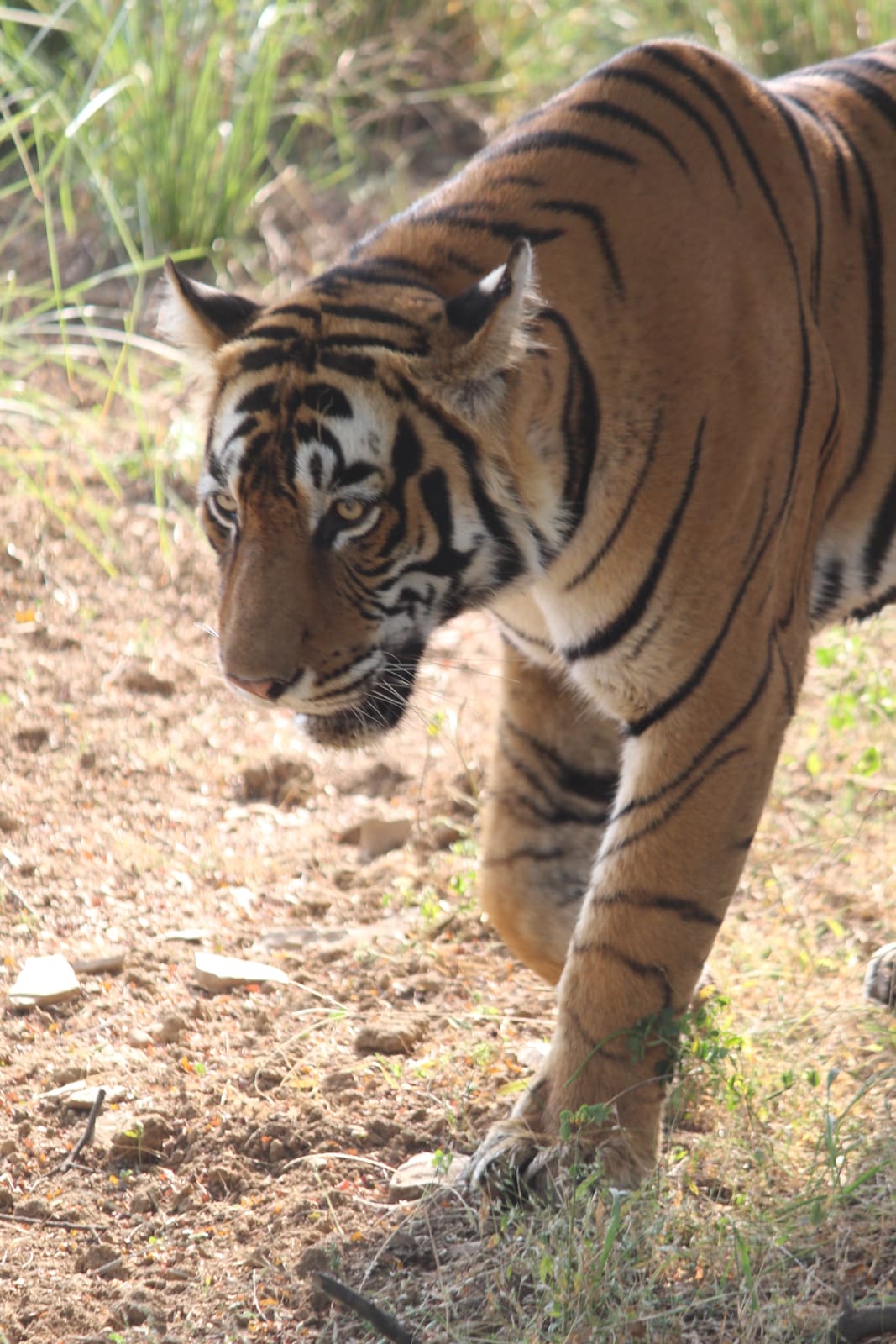
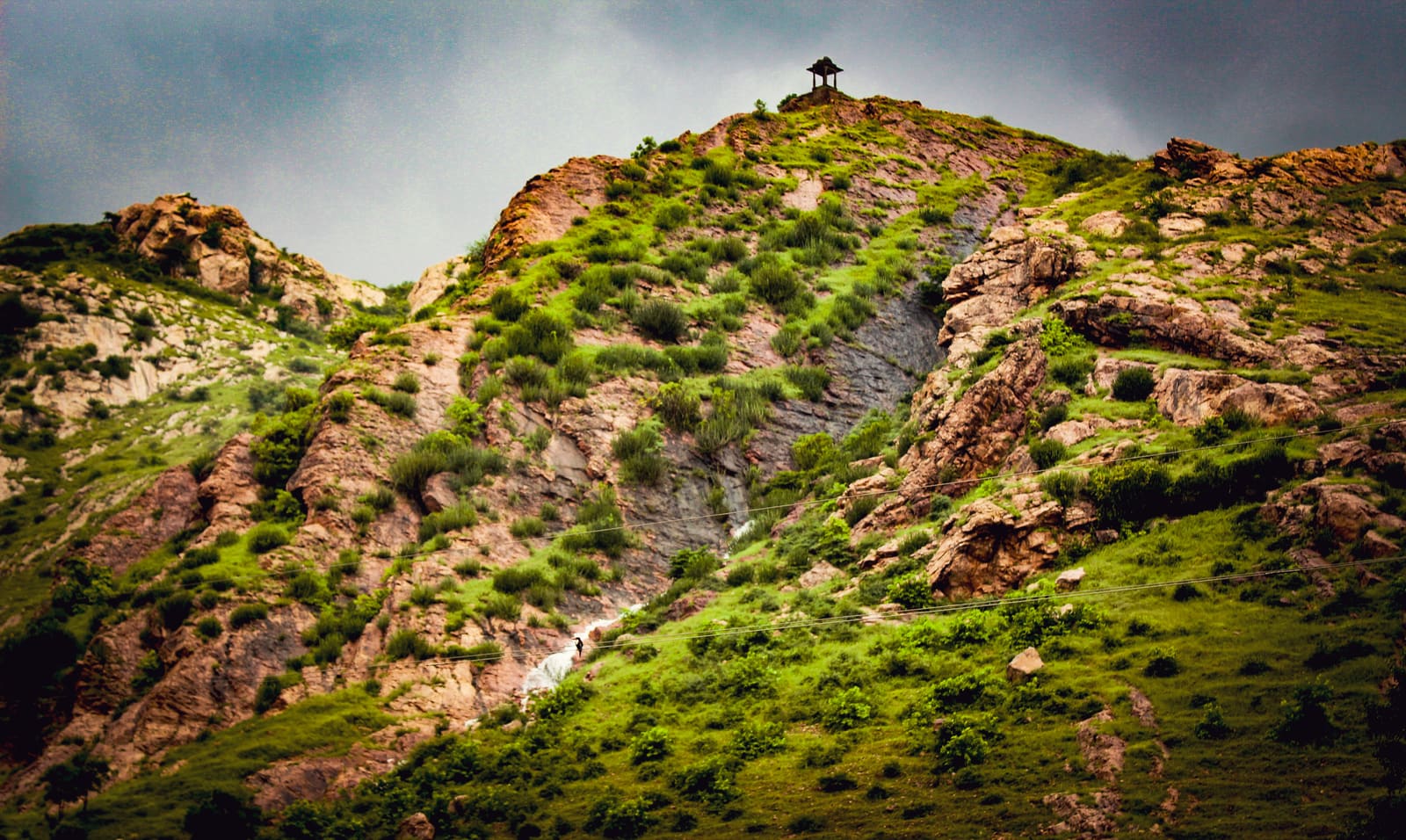
Sharing its entry gate with Zone 4, Zone 5 veers off towards the Kachida Valley, Singhdwar, and the Anandadhar area. The landscape transitions into deep valleys, steep ridges, and rocky hillsides. Because the terrain is slightly more rugged and elevated, it is considered prime leopard territory, as leopards prefer staying higher up to avoid confrontations with dominant tigers. However, tigers like Dollar (T-25) have frequently patrolled this route. The elevated topography offers sweeping panoramic views of the forest canopy, making it a favorite for landscape photographers. Birdwatching is also exceptional here, with frequent sightings of eagles and owls.
- 6
Sultanpur
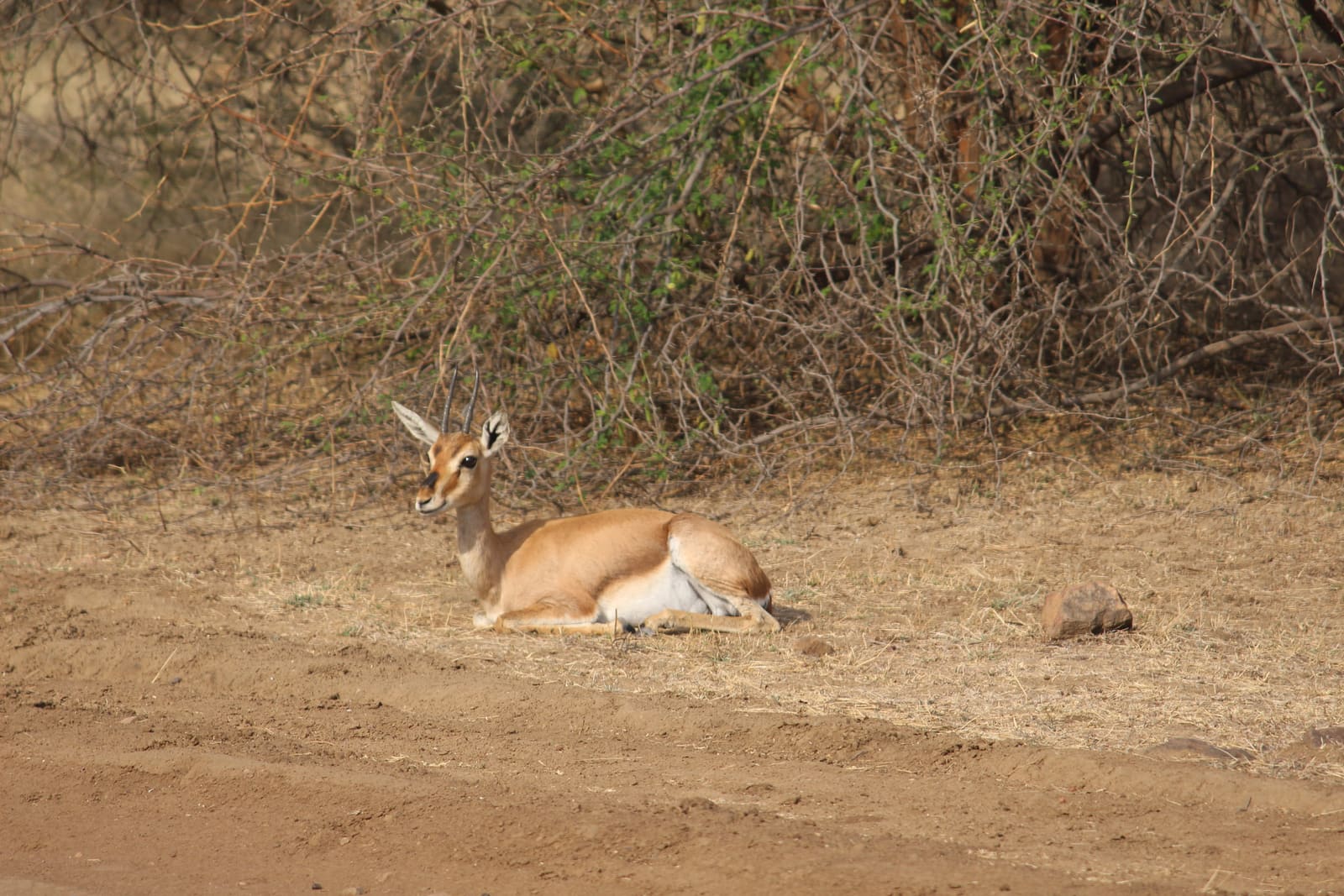
Located on the opposite side of the Ranthambore fort, Zone 6 is a picturesque zone featuring open grasslands, the Kala Pani waterhole, and the impressive Saran Ka Pattha. Because it has wide open spaces, moving wildlife is easy to spot from a distance. It has gained popularity in recent years due to increased tiger movements, particularly roaming sub-adults establishing new territories. It is also one of the best zones for spotting the endangered Red-headed Vulture and the Indian gazelle (Chinkara). The open landscape makes it a favourite with photographers.
- 7
Chidikho
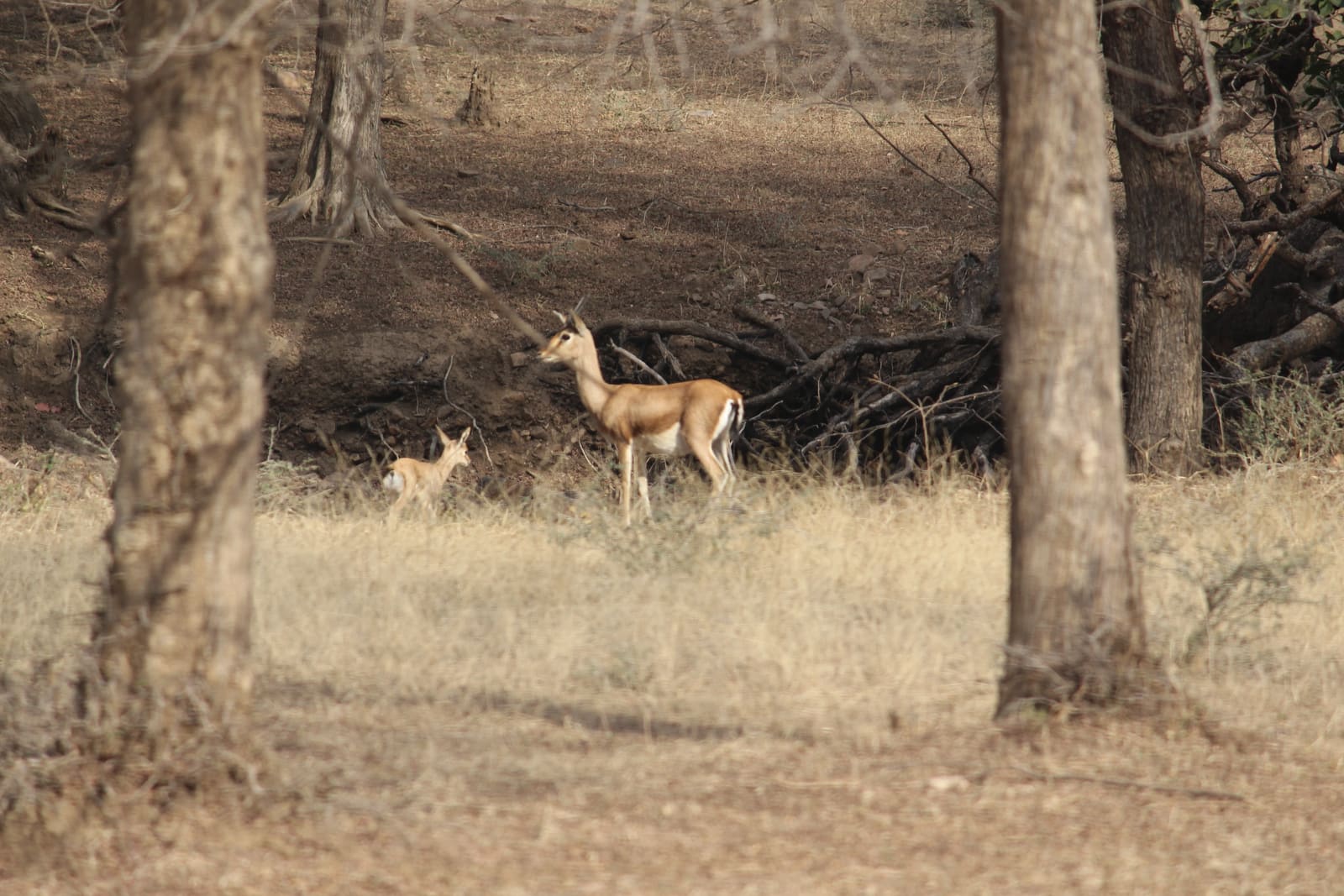
Zone 7 is a quieter, less crowded zone that rewards patient visitors with raw, undisturbed wilderness. It encompasses the Chidikho area, Rajbagh Naka, and Kushalipura. The terrain is a mix of steep ravines and dry deciduous forest. With fewer vehicles around, sightings here can feel private, and you might be the only vehicle present when a big cat emerges. Tigers like Kumbha (T-34) have made this area their stronghold. The zone's relative tranquility makes it an excellent choice for serious nature lovers and birdwatchers looking to escape the gypsy crowds of Zones 1-5.
- 8
Kheola Deh
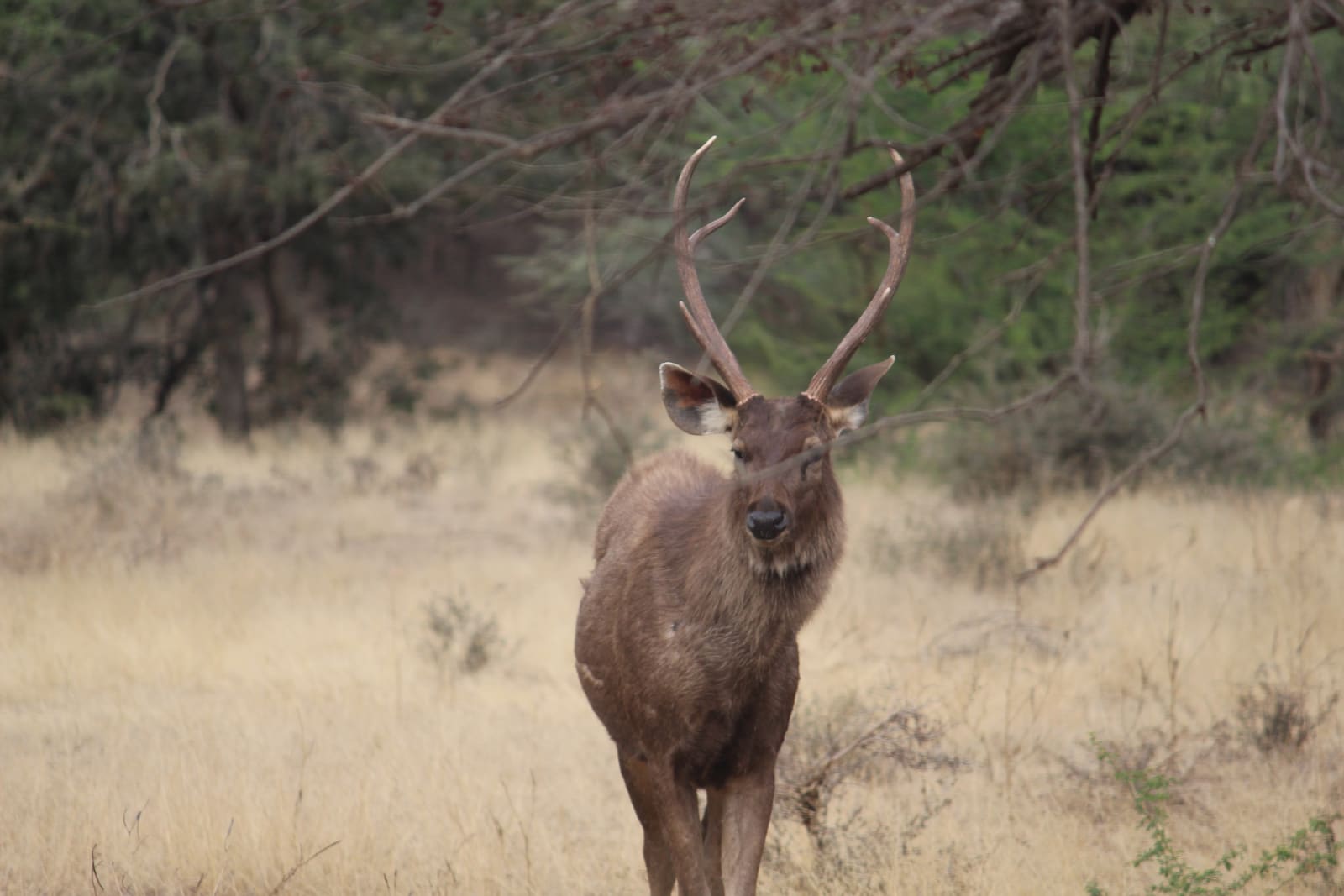
Sharing a similar geographical profile with Zone 7, Zone 8 covers the Balas, Neemli Dang, and Kheola Deh areas. The terrain is dramatically rugged, dominated by the Aravalli hill ranges with deep gorges and seasonal streams. It is a fantastic zone for encountering elusive nocturnal species like striped hyenas and Indian foxes during early morning drives. The steep hillsides are prime leopard habitats. While tiger sightings require luck and expert tracking, the sheer beauty of the undisturbed landscape, combined with the high probability of spotting raptors and bears, makes it a highly rewarding ecological experience.
- 9
Chakal River
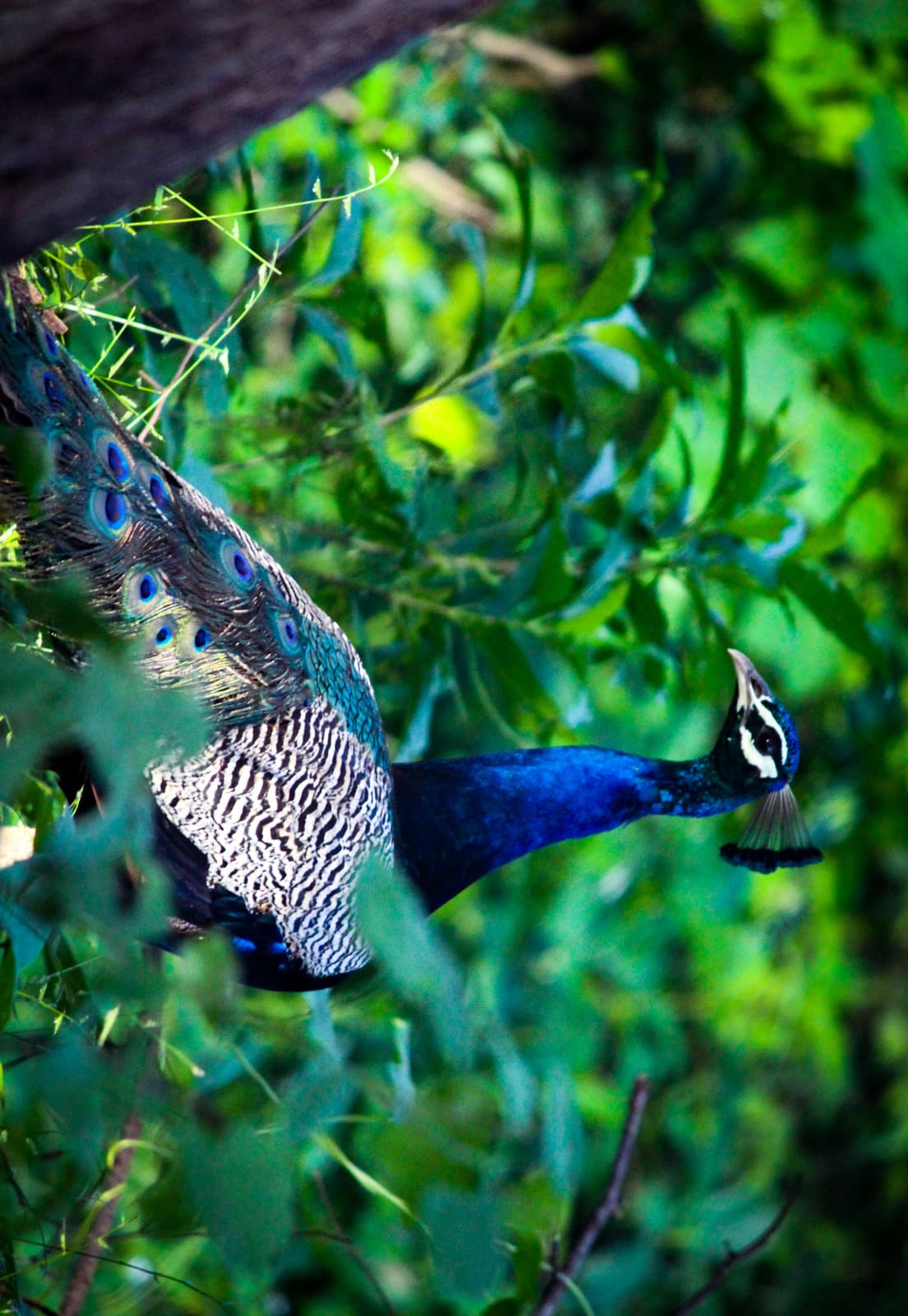
Located about a 45-minute drive from the main reserve entrance, Zone 9 sits on the scenic banks of the Chakal River. This geographic isolation makes it a completely different ecosystem from the rest of Ranthambore. The riverline environment supports a unique array of aquatic birds, marsh crocodiles, and amphibians. It is widely considered the best zone in Ranthambore for spotting the elusive Sloth Bear and the highly secretive Caracal. The drive to the zone itself passes through rural Rajasthani villages, offering a cultural glimpse before entering the wild. Tiger sightings occur when males patrol the river banks.
- 10
Aantri & Jamoda
Zone 10 covers the remote Aantri, Jamoda, and Bhalpur areas, representing the rugged periphery of the tiger reserve. The landscape is characterized by dry scrubland, sandy riverbeds, and undulating hills. Over the past few years, younger tigers have set up their own territories here. It is also an excellent zone for spotting massive herds of blue bulls (Nilgai) and the Indian gazelle. Because it receives fewer visitors, the wildlife here exhibits natural, untamed behavior, offering a truly authentic wilderness expedition.